
Home Health Care Services for COPD and Respiratory Illness
February 04, 2026 | By: Tender Care Home Health & Hospice
Living with COPD or another chronic respiratory illness can make everyday life feel unpredictable. One day you’re doing okay, and the next you’re short of breath, exhausted, or worried a cough is turning into something bigger. For many families, the hardest part is figuring out what to do at home, when to call the doctor, and how to prevent flare-ups that lead to urgent care or hospitalization.
That’s where home health care can make a real difference. With the right plan, patients can feel more supported and more stable, and caregivers can stop guessing and start following a clear routine.
If you’re exploring COPD treatment at home, here’s what home health services typically include and how they support breathing, safety, and day-to-day quality of life.
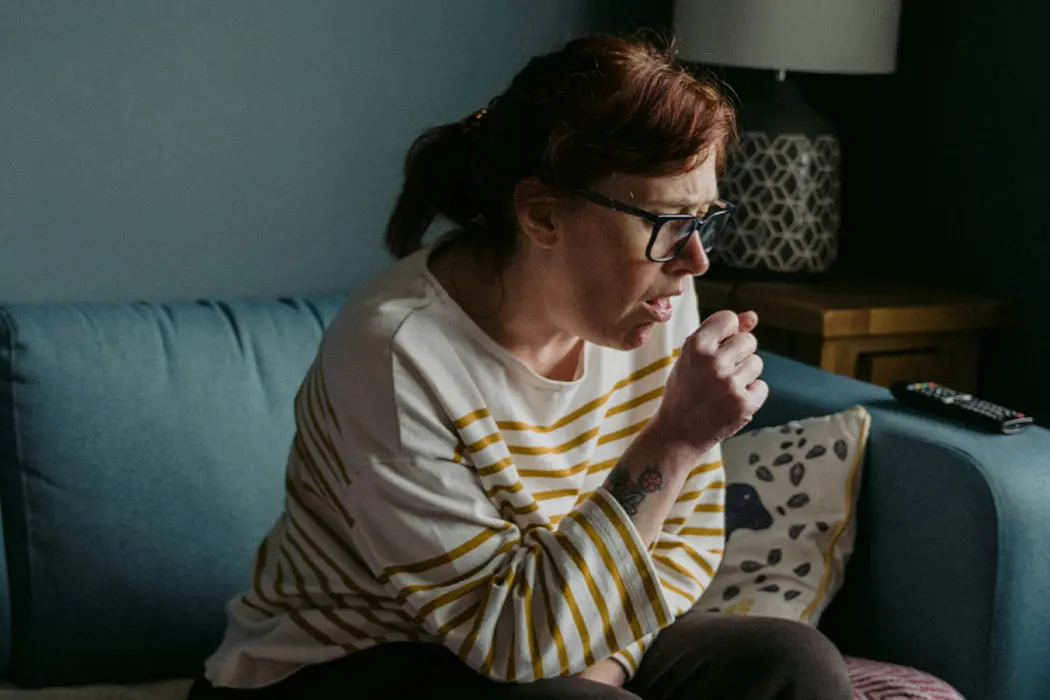
What COPD Treatment Looks Like at Home
COPD is usually managed with a combination of:
- prescribed medications (often inhalers, sometimes nebulizer treatments)
- activity and conditioning support
- breathing techniques and energy conservation
- infection prevention (vaccines + early intervention when illness starts)
- oxygen therapy for patients who qualify based on testing
Important note: Oxygen isn’t automatically helpful for everyone with COPD, as it depends on oxygen levels measured by your provider. Oxygen can be essential for people with significantly low blood oxygen, but it may not benefit those with only moderately low levels.
Find more information on COPD Treatments by the National Heart, Blood, and Lung Institute.
How Home Health Care Supports COPD & Respiratory Illness
Home health care comprises of skilled, medically directed care ordered by a physician for patients who meet criteria (including needing intermittent skilled services).
Here are the most valuable services for COPD and respiratory conditions:
Skilled nursing support
A home health nurse can help monitor and manage the issues that most commonly drive COPD complications, including:
- breathing status changes (shortness of breath patterns, increased cough, sputum changes)
- oxygen use and safety routines
- medication adherence and inhaler/nebulizer technique reinforcement
- vital sign monitoring as ordered (including oxygen saturation, if part of the plan)
- education on recognizing early warning signs of a flare-up
Medication management and inhaler technique support
Many COPD medication plans are very effective if they’re used correctly and consistently. Home health can support:
- correct inhaler technique and timing
- nebulizer routines when prescribed
- keeping meds organized (especially if there are multiple inhalers)
- watching for side effects and reporting concerns to the provider
Oxygen therapy education and safety
For patients prescribed oxygen, home health can help families feel confident about:
- safe setup and daily use routines
- preventing common issues (dry nose, tubing hazards)
- fire safety rules—oxygen increases fire risk, so smoking/open flames must be avoided
Therapy services to improve function and stamina
Shortness of breath often leads to reduced movement, which can weaken muscles and make symptoms worse over time. Therapy services (as ordered) can support:
- safe activity progression
- mobility and fall-risk reduction
- energy conservation techniques (how to pace tasks without “crashing”)
- functional strengthening to improve daily independence
Pulmonary rehabilitation is widely recognized as a helpful approach for many people with COPD, and some rehab-style coaching and conditioning support may be incorporated into care planning.
Education for preventing flare-ups (exacerbations)
COPD flare-ups are often triggered by respiratory infections. A strong home plan focuses on prevention and early action, including:
- understanding personal triggers (cold air, smoke, strong fragrances, overexertion)
- hand hygiene and avoiding sick contacts when possible
- vaccination planning (flu, pneumococcal, COVID-19, and other recommended vaccines)
The Centers for Disease Control and Prevention and the Global Initiative for Chronic Obstructive Lung Disease both emphasize vaccination as an important part of COPD risk reduction.
Caregiver training and confidence
COPD affects the whole household. Home health education can help caregivers learn:
- what to track daily (symptoms, tolerance, oxygen use if applicable)
- what “early warning signs” look like for that specific patient
- when to call the physician vs. when to seek urgent care
- how to set up the home to reduce exertion (bathroom safety, minimizing stair trips, trip hazards)
Common Respiratory Conditions that May Benefit from Home Health Support
While this post focuses on COPD, home health can also support people recovering from or living with:
- chronic bronchitis and emphysema (types of COPD)
- recurrent respiratory infections
- pneumonia recovery (when skilled care is ordered)
- asthma complications (in some cases)
- respiratory weakness related to other serious conditions (based on physician plan)
Does Medicare Cover Home Health Care for COPD?
Coverage depends on meeting eligibility requirements and having services ordered by a provider. In general, Medicare covers home health services when you meet criteria such as needing intermittent skilled care and qualifying under the program’s rules.
When to Consider Home Health Care for COPD Treatment
Families often reach out when one of these is true:
- symptoms are worsening or becoming more frequent
- there’s been a recent ER visit or hospitalization
- the care plan feels confusing (multiple inhalers, oxygen, new medications)
- the patient is struggling with daily tasks due to breathlessness
- caregivers feel unsure what to do during early illness signs
How Tender Care Home Health & Hospice Can Help
If you or a loved one needs support with COPD treatment at home, home health services can bring skilled guidance to the place where daily life happens.
For more information on what’s included, see our Home Health Care service page, or contact us today.