
How Home-Based Primary Care Prevents ER Visits
December 03, 2025 | By: Tender Care Home Health & Hospice
When a loved one has complex health needs, every new symptom can feel like an alarm bell. One day it is shortness of breath, another day a sudden fall or confusion. You watch the clock, debate whether to call 911, and brace for another long night in a noisy emergency room.
Many families in El Paso and Las Cruces tell us the same story. They are exhausted by repeat ER visits, but they also do not want to risk staying home when something feels wrong. It can feel like there are only two choices: ignore the problem or head straight to the hospital.
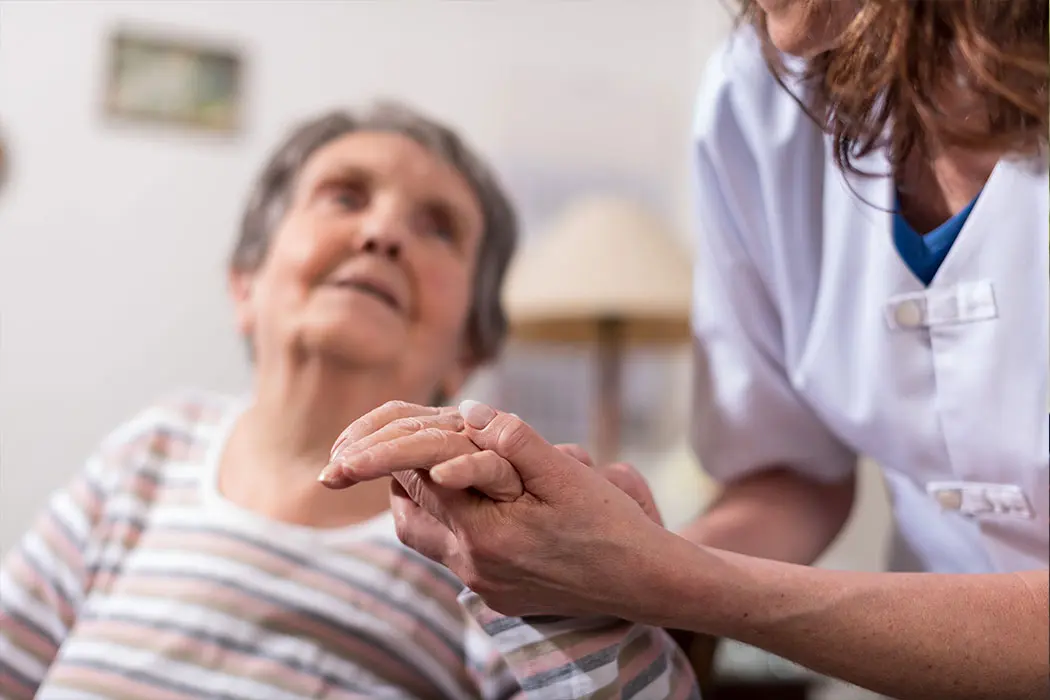
Now picture your loved one surrounded by a care team that already knows their history, their medications, and even the layout of their living room. A nurse practitioner checks in regularly at home. Small changes in breathing, swelling, blood sugar, or mood get noticed early and treated before they turn into full-blown emergencies.
Instead of rushing to the ER, you have a trusted number to call, a plan for what to watch, and support to decide what truly needs emergency care. Your loved one stays where they feel safest, and the emergency room becomes the exception, not the rule.
That is exactly what Home-Based Primary Care is designed to do. By bringing primary care into the home, this model gives medically complex and homebound adults faster access to help, closer monitoring, and stronger follow-up after hospital stays.
Studies on home-based primary care programs show that they can reduce hospitalizations and, in some settings, lower emergency department use and overall costs, especially for older adults with multiple chronic conditions.
For families in El Paso and Las Cruces, Tender Care’s Primary Care at Home (Medical Home Program) and home health care services work together to create that safety net. The steps are simple: talk with your current doctor, call Tender Care, learn whether your loved one is eligible, and build a clear, written plan that tells everyone what to do when health changes.
The Stress of Repeated ER Visits for Families
Repeated ER trips do not just affect your loved one. They disrupt work, sleep, and daily life for everyone involved. Long wait times, crowded rooms, and rushed conversations make it hard to process information. For older adults, frequent hospital stays can also mean more confusion, falls, infections, and loss of independence.
Families often tell us, “I wish we had caught this sooner,” or “I just did not know who else to call.” Home-Based Primary Care exists to close that gap between “something feels wrong” and “we are on our way to the ER.”
What Is Home-Based Primary Care?
Home-Based Primary Care (HBPC) is a model of care where the primary care provider travels to the patient and delivers ongoing medical care in the home. Nationally, HBPC programs focus on high-risk, medically complex patients who struggle to get to the clinic and who often rely heavily on emergency and hospital services.
Instead of short office visits every few months, home-based primary care brings a team to the home. Depending on the program, that team may include:
- A physician or nurse practitioner
- Nurses and sometimes medical assistants
- Social workers
- Therapists or specialty clinicians as needed
The team manages routine checkups, urgent issues, chronic conditions, medication changes, and care planning where your loved one actually lives.
Who Benefits From Primary Care at Home?
Home-Based Primary Care is especially helpful for adults who:
- Have serious chronic illnesses like heart failure, COPD, or advanced diabetes
- Have trouble leaving home because of weakness, pain, shortness of breath, or mobility challenges
- Have frequent ER visits or hospital stays
- Need help coordinating multiple specialists, medications, and services
How it Differs from Traditional Office-based Primary Care
Traditional primary care works well for many people, but it often assumes patients can travel to appointments, manage their medications, and call early in a problem. For homebound adults, those assumptions are not always realistic.
6 Ways Home-Based Primary Care Helps Prevent ER Visits
Home-Based Primary Care cannot prevent every emergency. Heart attacks, strokes, and serious injuries still need hospital care. But it can significantly shrink the number of avoidable trips by changing what happens before and after a crisis.
- Catching problems early during regular home visits
Because the team visits at home, they see subtle changes quickly:
- Extra pillows needed to sleep
- New shortness of breath while walking to the bathroom
- Swelling in ankles, abdomen, or face
- Less appetite or fluid intake
- New confusion or withdrawal
Small adjustments to medications, oxygen, or treatment plans at that stage can stop symptoms from spiraling into an emergency. Research on home-based primary care shows that programs with regular in-home assessments reduce hospitalizations among homebound older adults.
- Better chronic disease management where life happens
Chronic conditions like heart failure, COPD, and diabetes are leading drivers of ER visits. Home-Based Primary Care helps by:
- Reviewing daily weights, blood sugars, and symptom logs
- Adjusting medications based on real-world patterns
- Teaching patients and caregivers how to respond to specific changes
- Coordinating with specialists when something is off
A national demonstration of home-based primary care for high-need Medicare patients found lower rates of potentially avoidable hospitalizations when teams focused on proactive management at home.
- Medication safety and reconciliation in the home
Many emergencies start with medication confusion. Pills get added or stopped after hospital stays. Old bottles pile up. Doses are hard to read.
Because the team comes into the home, they can:
- Review every bottle, inhaler, patch, and over-the-counter product
- Help create a single, up-to-date medication list
- Watch how meds are actually taken day to day
- Simplify schedules and work with the pharmacy if needed
Studies of home-based primary care link this type of comprehensive review to fewer drug-related complications and less acute care use.
- Rapid response when symptoms change
Avoiding the ER is not about waiting. It is about getting the right care at the right time. Many successful home-based primary care programs:
- Offer same-day or next-day visits for urgent concerns
- Have nurses available by phone for symptom questions
- Use telehealth visits when an in-person visit is not immediately needed
The Commonwealth Fund’s overview of home-based primary care describes prompt, team-based response as a major reason patients in these programs have fewer unnecessary hospital and ER visits.
- Stronger coordination after hospital or ER discharge
The days after a hospital or ER visit are high risk. New medications, new instructions, and follow-up appointments can easily be missed. This is when many patients bounce right back to the ER.
Home-Based Primary Care helps by:
- Visiting soon after discharge to review instructions
- Checking that medications match the new plan
- Making sure needed equipment and services are in place
- Communicating with the hospitalist, specialists, and home health care team
In fact, analyses of home-based primary care programs in Medicare and the VA associate these coordinated transitions with lower readmission and emergency department use among high-risk patients.
- Support for caregivers who might otherwise panic
Sometimes the emergency is not purely medical. It is emotional. A caregiver is overwhelmed, unsure, and afraid of making the wrong call.
Home-Based Primary Care teams:
- Teach caregivers what is urgent versus emergent
- Provide clear “if this happens, do this” plans
- Stay reachable for questions, especially as conditions change
- Connect families with home health care, palliative care, or hospice when the goals of care shift
This combination of education and availability helps families feel less alone. Instead of defaulting to 911, they can reach out to a team that already knows their loved one and can help decide the safest next step.
How Tender Care’s Medical Home Program Works
Tender Care’s Primary Care at Home (Medical Home Program) provides home-based primary care for adults 18 and older who are homebound or have serious difficulty leaving home. A dedicated team, led by a physician with decades of experience caring for homebound patients, brings primary care directly to the home.