
When to Seek Wound Care Specialist Help
May 06, 2026 | By: Tender Care Home Health & Hospice
Most of us have dealt with a minor cut or scrape that healed on its own within a week or two. But what happens when a wound doesn't heal? What should a family member do when they notice something "just doesn't look right" with a loved one's skin? And how do you know when basic first aid has reached its limits?
These are questions that families across El Paso, Las Cruces, and the surrounding communities face more often than many realize. Wounds, particularly those tied to diabetes, poor circulation, surgery, or limited mobility, can become serious very quickly when left untreated or undertreated.
This guide will walk you through the signs that a wound needs professional attention, the specific warning signs families at home should watch for, and how Tender Care Home Health & Hospice brings specialized wound care directly to your loved one at home.
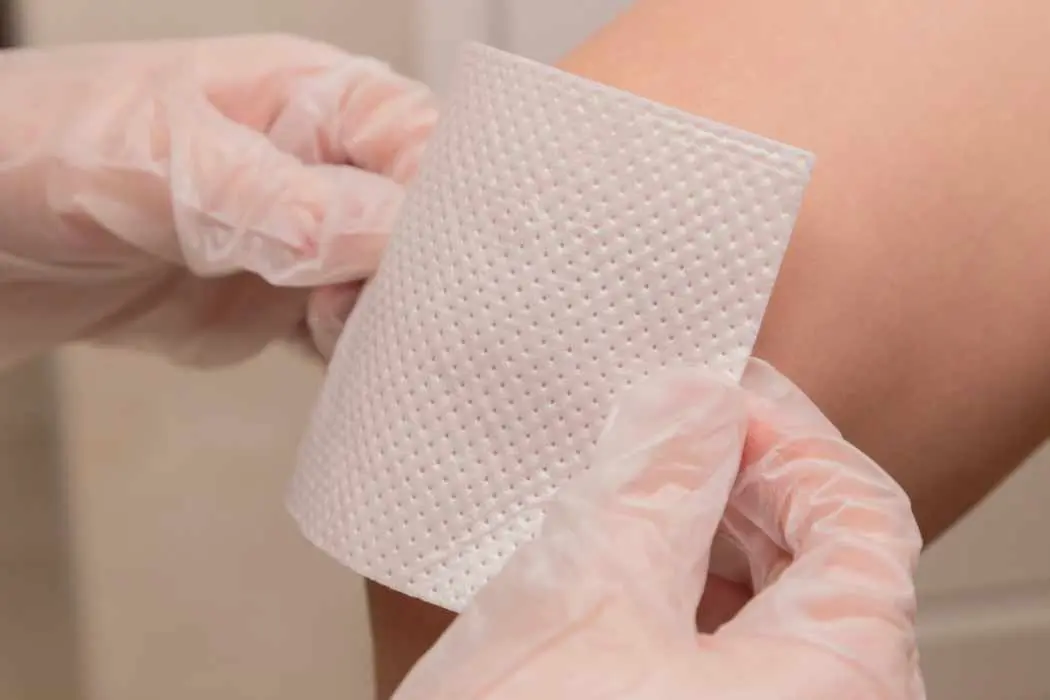
Why Wound Care Matters More Than You Think
Wounds are not just skin-deep concerns. A wound that fails to heal properly can lead to serious complications, including deep tissue infection, sepsis, or amputation, especially for individuals living with diabetes, vascular disease, or reduced immune function.
According to wound care research, chronic wounds affect millions of Americans each year, and many go undertreated simply because families don't recognize the warning signs early enough. In our region, where diabetes rates are notably elevated among the Hispanic community, timely wound care isn't just helpful; it can be life-saving.
The good news: when caught early and treated by the right specialist, most wounds can heal successfully, especially when care is delivered consistently in the home environment.
What Is a Wound Care Specialist?
A wound care specialist is a healthcare professional with advanced training in the assessment, treatment, and management of difficult or non-healing wounds. This can include physicians, nurses, and other clinicians who use specialized tools and techniques such as:
- Debridement (removing damaged tissue to promote healing)
- Biological grafts
- Advanced wound dressings
- Infection management
- Compression therapy for venous wounds
At Tender Care, our wound care program is led by Dr. Sandra Shults, a board-certified family medicine physician with over 18 years of experience specializing in complex wound treatment. With affiliations at HCA Las Palmas Medical Center and Del Sol Medical Center, and training from the University of New Mexico School of Medicine, UTEP, and Texas Tech, Dr. Shults brings a rare level of expertise directly to patients' homes across El Paso and Las Cruces.
When Should You Seek Wound Care Specialist Help?
Here is a clear, practical framework families can use to decide when it's time to move beyond home first aid.
1. The Wound Has Not Improved After 2 to 4 Weeks
Healthy skin has a remarkable ability to repair itself. A minor wound should show visible signs of improvement, such as a smaller size, less redness, and new skin forming within one to two weeks. If a wound has been present for more than two to four weeks with little to no improvement, that is a clear signal to seek specialist evaluation.
Stalled healing is one of the most common reasons people seek wound care, and it is also one of the most treatable with the right clinical intervention.
Learn more about wound healing.
2. Your Loved One Has Diabetes or Poor Circulation
Certain health conditions significantly impair the body's ability to heal. Diabetes is one of the most well-known culprits. High blood sugar damages nerves and blood vessels, reducing sensation in the feet and legs and slowing the delivery of healing oxygen and nutrients to injured tissue.
Poor circulation from peripheral artery disease (PAD) or venous insufficiency creates a similar problem, as the wound simply isn't receiving what it needs to close.
If your loved one has either of these conditions, any wound below the knee or on the foot should be evaluated by a wound care specialist promptly, even if it looks minor. What appears small on the surface can be much more serious beneath the skin.
3. The Wound Is Getting Larger Instead of Smaller
A wound that is growing in size, spreading outward, or deepening is not healing. It may be infected, or it may be under stress from pressure, poor positioning, or nutritional deficiency. Regardless of the cause, a wound that is worsening over time always warrants professional attention.
4. The Wound Follows Surgery, Radiation, or a Hospital Stay
Surgical wounds should close cleanly and consistently. When they don't, especially in older adults or individuals with compromised immune systems, a specialist is needed. Similarly, individuals who have undergone radiation therapy may develop wounds that are uniquely resistant to healing due to changes in tissue structure.
Post-hospitalization wounds, including pressure injuries developed during a hospital stay, also benefit greatly from skilled in-home wound care as part of a broader home health care plan.
5. You Notice Any Signs of Infection
Infection is the most urgent reason to seek wound care help, and it can escalate from mild to life-threatening faster than many families expect. In the next section, we'll go deeper into the specific signs families should watch for at home.
Signs of Wound Infection Families Should Watch For at Home
As a family caregiver, you are often the first person to notice a change. You don't have to be a nurse to recognize these warning signs, but you do need to know what to look for.
Increased Redness Around the Wound
Some redness is normal in the early stages of healing. But if redness is spreading beyond the wound edges, deepening in color, or developing red streaks radiating outward, this may indicate an infection spreading through the surrounding tissue or lymph system.
Warmth or Heat to the Touch
Infected tissue generates heat as the immune system fights bacteria. If the skin around a wound feels noticeably warmer than the surrounding area, especially if this is a new development, pay close attention.
Swelling That Is Getting Worse
Inflammation is a natural part of healing, but swelling that increases after the first few days, or swelling that is firm, shiny, or painful, should be evaluated promptly.
Foul Odor from the Wound or Dressing
A healthy healing wound generally has a neutral or faint odor. A strong, unpleasant smell, particularly one that lingers even after a dressing change, is a hallmark sign of infection and should never be ignored.
Unusual or Excessive Drainage
Some fluid drainage is normal. However, watch for drainage that is:
- Yellow, green, or brown
- Cloudy or thick
- Increasing in volume over time
These characteristics suggest bacterial activity and require prompt clinical assessment.
Pain That Is Increasing, Not Decreasing
As wounds heal, discomfort typically lessens. If your loved one is reporting pain that is getting worse, that pain is meaningful clinical information.
Fever, Chills, or Confusion
These are systemic signs that infection may have entered the bloodstream, which is a medical emergency. If your loved one with a wound develops a fever above 101°F, chills, or sudden confusion, seek emergency medical care immediately and then follow up with your wound care team.
The Wound Is Black, Blue, or Gray
Discoloration of wound tissue, such as dark or black patches, may indicate necrosis (tissue death), which requires urgent debridement and specialist intervention. This should never be managed at home alone.
What Types of Wounds Does Tender Care Treat?
Tender Care's in-home wound care program treats a broad range of wound types, including:
- Diabetic foot ulcers and leg wounds
- Pressure injuries (bed sores)
- Venous leg ulcers
- Surgical wounds that are not healing
- Traumatic injuries
- Infected wounds
- Non-healing or chronic wounds
If you're unsure whether your loved one's wound qualifies, the simplest step is to call and ask. Our team can guide you toward the right level of care.
The Tender Care Difference: Expert Care, In Your Home
For many homebound patients across El Paso and Las Cruces, getting to a wound care clinic is not realistic. Transportation barriers, limited mobility, and the fatigue that often accompanies illness make every trip to a facility an ordeal.
That's exactly why Tender Care brings the specialist to you.
Our wound care team, led by Dr. Shults and supported by skilled clinicians, arrives at your home equipped to provide the same level of advanced wound care you'd receive at a clinic, with the added benefit of familiarity, comfort, and continuity.
Tender Care has earned its reputation through clinical excellence and a genuine commitment to every patient's dignity and recovery. We're also Medicare-accepted, making our specialized wound care accessible for those who need it most.
And because healing doesn't always follow business hours, our team is available on-call 24/7 if concerns arise between visits. We also offer bilingual staff to better serve our El Paso and Las Cruces communities, because great care starts with clear communication.
You Don't Have to Wait and Wonder
If you've been watching a wound and hoping it will resolve on its own, we understand. It's easy to minimize what we're not sure about. But early intervention truly does change outcomes, especially for individuals managing diabetes, chronic illness, or advanced age.
If you recognize any of the signs above, don't wait. Reach out to our compassionate care team today! We're here to answer your questions, ease your concerns, and help you find the right path forward.
El Paso: (915) 581-3345
Las Cruces: (575) 522-3076
Or visit our Wound Care page to learn more about our program and request a consultation.
Serving El Paso, Las Cruces, and the surrounding communities of West Texas and Southern New Mexico since 2006.