
Fall Prevention at Home & How Home Health Care Can Help
September 23, 2026 | By: Tender Care Home Health & Hospice
Home safety for seniors comes down to two things: removing hazards before a fall happens, and knowing when a fall (or a close call) means it's time for more support than a checklist can provide. Most fall risks are fixable. Loose rugs, poor lighting, missing grab bars, unmanaged medication side effects, none of these have to stay problems. And when a fall has already happened, home health care can bring a physical therapist, occupational therapist, and nurse directly into the home to figure out why it happened and build a plan to prevent the next one.
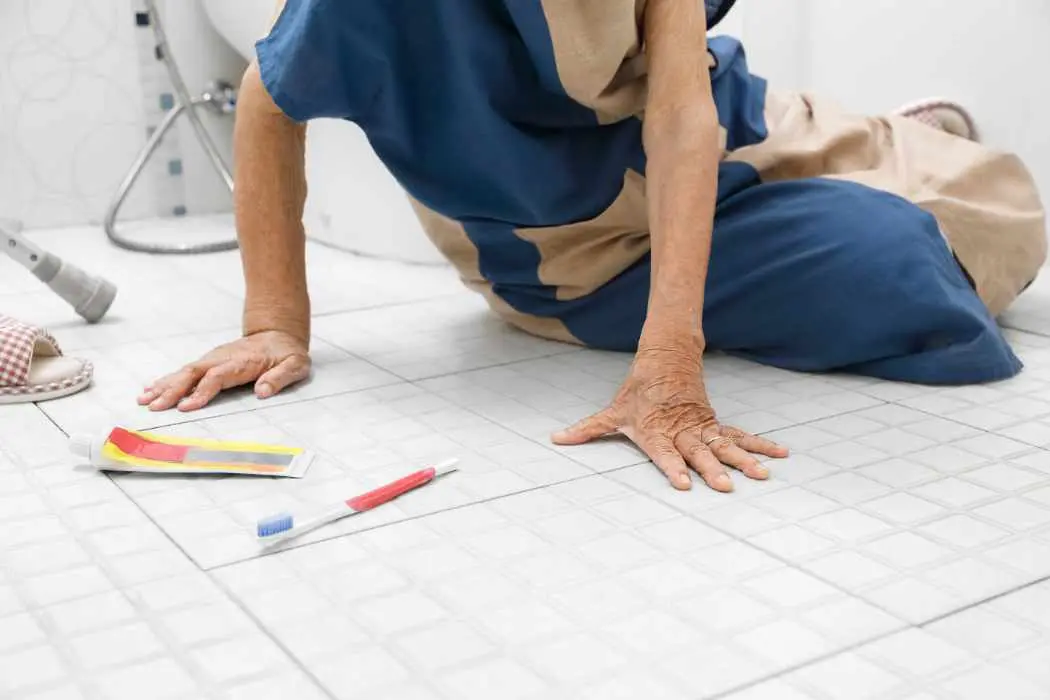
Why Fall Prevention Deserves Attention Now
Falls are the leading cause of injury among people 65 and older. Over 14 million older adults, or 1 in 4, report falling every year, and more than 3.85 million were treated in emergency departments in 2023 for fall-related injuries. The number that matters most for caregivers: falling once doubles a person's chances of falling again.
That reframes a single stumble. It's rarely a one-off. It's often the first sign of a risk that will show up again unless something changes.
A Room-by-Room Home Safety Checklist for Fall Prevention
Most falls happen in predictable places. Working through the home room by room is the fastest way to catch what's easy to miss when you see the same space every day.
Bathroom
- Install grab bars near the toilet and inside the shower, not towel racks, which can't bear weight
- Use a non-slip mat or textured strips in the tub and shower
- Add a raised toilet seat or shower chair if standing and sitting are difficult
- Keep a nightlight on for after-dark trips
Bedroom
- Keep a clear, well-lit path from the bed to the bathroom
- Place a lamp or light switch within reach of the bed
- Remove or secure any loose rugs
Kitchen & Living Areas
- Store frequently used items at waist height to avoid step stools
- Secure or remove area rugs and loose electrical cords
- Make sure furniture is stable enough to lean on without tipping
Stairs & Hallways
- Install handrails on both sides of every staircase
- Add a light switch at the top and bottom of stairs
- Keep stairs and walkways free of clutter, shoes, and pet toys
Outdoors
- Repair uneven walkways, steps, or loose railings
- Add motion-sensor lighting near entryways
- Keep walkways clear of leaves, ice, or debris depending on the season
Fall Risk Factors That Have Nothing to Do With the Home Itself
A perfectly hazard-free home doesn't eliminate fall risk. Several of the most common contributors come from the body, not the environment:
- Medication side effects. Certain prescriptions, and combinations of prescriptions, can cause dizziness or lightheadedness. A regular medication review with a doctor or pharmacist is one of the most effective and most overlooked fall prevention steps.
- Vision changes. Uncorrected vision problems make it harder to judge steps, curbs, and uneven flooring.
- Muscle weakness and balance decline. Strength and balance naturally decline with age and with inactivity, and inactivity often increases after a fall out of fear of falling again, which raises the risk further.
- Chronic conditions. Diabetes, arthritis, and cardiovascular conditions can all affect balance, sensation, and stability.
A home safety checklist is essential, but it's only part of the picture. The other part is understanding what's happening with the person, not just the house.
When a Fall (or a Close Call) Means It's Time for Home Health Care
If your loved one has fallen, had a near-fall, or you've noticed them holding onto furniture to get around, that's worth acting on rather than watching.
Home health care can include a formal fall risk assessment, performed in the home by a physical or occupational therapist. This is a clinical evaluation of gait, balance, strength, and home layout, not a generic checklist, followed by a personalized plan that might include:
- Physical therapy to rebuild strength and balance
- Occupational therapy to adapt daily routines and recommend home modifications
- Skilled nursing to monitor medications and chronic conditions that affect fall risk
- Caregiver education on safe transfer techniques and what to watch for between visits
When a physician orders it and the patient meets Medicare's homebound criteria, home health services like these are often covered by Medicare, TRICARE, VA benefits, or private insurance. That's a meaningful gap in most home safety advice, which stops at what to fix and rarely addresses who can help fix it, or how it gets paid for.
How Tender Care Supports Fall Prevention in El Paso & Las Cruces
Tender Care Home Health & Hospice has served families across El Paso, TX, and Las Cruces, NM since 2006, built on Ann McConnell's experience as a master's-prepared registered nurse working bedside with critically ill patients. That same clinical attention shapes how our home health team approaches fall prevention today.
Our home health services bring nursing, physical therapy, occupational therapy, and medical social work directly into the home, starting with an in-home assessment that reviews health history, medications, safety needs, and specific fall risk factors. From there, we build a care plan alongside your physician and check in as needs change. If a loved one's mobility challenges are tied to a serious illness, our palliative care team can also help manage symptoms and coordinate care.
A few things caregivers often want to know before reaching out:
- We're rated CMS 5-Star for quality
- Recognized as Newsweek's America's Best Home Health Agency 2026
- The only Level 5 We Honor Veterans hospice provider in El Paso, an important resource for veterans and their families
- CHAP accredited
- Several team members are bilingual, offering culturally sensitive care for Spanish-speaking families
- On-call support is available 24/7, beyond our regular office hours
Caregivers navigating these decisions alongside other family responsibilities may also find our Family & Caregiver Support resources helpful.
Frequently Asked Questions
Does Medicare cover a home fall risk assessment?
Yes, when it's part of a physician-ordered home health plan and the patient meets Medicare's homebound criteria. Home health also accepts TRICARE, VA benefits, and most private insurance.
What's the difference between home care and home health care for fall prevention?
Home care typically covers non-medical support like housekeeping or bathing assistance. Home health care is medically directed, nursing and therapy services ordered by a physician, which is what covers a clinical fall risk assessment.
My parent had a fall but wasn't seriously hurt. Do we still need to do anything?
Yes. A fall without injury still doubles the chance of a future fall. That's the moment to address risk factors, not wait for a more serious incident.
How do I start the process with Tender Care?
Most families begin with a call or a physician referral. From there, we confirm coverage and schedule an in-home assessment. You can also reach out through our contact page and a member of our team will follow up.
If you've noticed a parent or spouse struggling with balance, holding onto walls and furniture, or you're recovering from a recent fall yourself, you don't have to figure out the next step alone. Call or text Tender Care today at (915) 581-3345 in El Paso or (575) 522-3076 in Las Cruces. Our team can help you understand what a home fall risk assessment involves and whether it's covered.