
How Home Health Care Helps Manage Diabetes at Home
August 12, 2026 | By: Tender Care Home Health & Hospice
It usually starts small. A blood sugar reading a little higher than it should be. An insulin dose missed because the schedule got confusing. A blister on a foot nobody noticed until it stopped healing.
Then it's not small anymore.
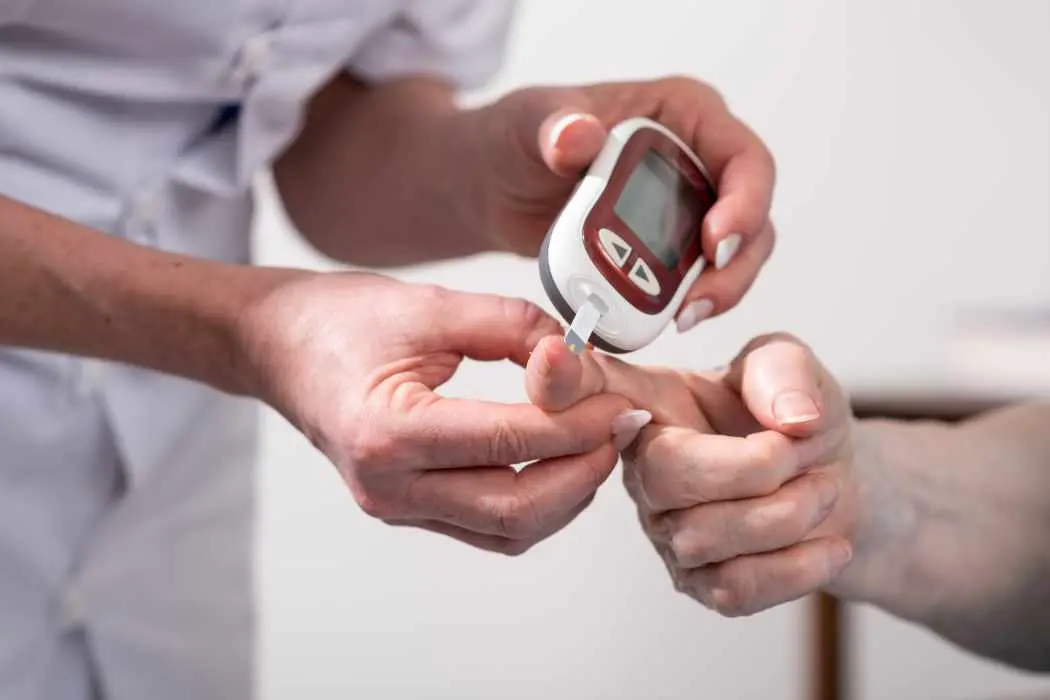
If you're caring for a parent, spouse, or grandparent with diabetes in El Paso or Las Cruces, you know this feeling. You're not a nurse. You have a job, kids of your own maybe, a life that doesn't pause. And somewhere in the middle of all that, you're also trying to remember which insulin goes with which meal, whether that redness on Dad's foot is normal, and what you'd even do if his blood sugar dropped while you were at work.
Here's the thing: you don't have to figure all of this out on your own. Home health care brings skilled nursing, diabetes education, and specialized diabetic wound care right into the home. For families across West Texas and Southern New Mexico, that's often the difference between managing diabetes with confidence and just white-knuckling it.
Why Diabetes Gets Harder to Manage at Home
Diabetes is manageable. Nobody said it was simple. Blood sugar has to stay in a narrow range, medications shift depending on food and activity and stress, and the warning signs of real trouble aren't always obvious until something's already gone wrong.
Age complicates things further. Vision changes make a glucose meter harder to read. Memory lapses make it easy to double up on a dose, or skip one entirely. And the circulation and nerve changes that come with diabetes mean a small foot injury can sit there, unnoticed, for days.
So a lot of families end up stuck between two bad options: constant low-level worry, or frequent clinic trips that wear on an aging body and an already-stretched caregiver's schedule.
What Home Health Care for Diabetes Actually Looks Like
Home health flips the equation: the clinical support comes to your loved one, not the other way around. A typical plan of care might include:
Blood sugar and symptom monitoring. A skilled nurse checks glucose trends, vitals, and symptoms at every visit and teaches you what to watch for in between.
Medication management and teaching. Nurses help organize insulin and oral medications, confirm dosing and timing, and make sure everyone in the house understands why the routine works the way it does, not just the steps.
Nutrition and lifestyle guidance. Managing blood sugar well means understanding how food, movement, and stress interact day to day and building a routine that fits an actual life, not a generic handout.
Diabetic wound care and foot checks. This is the piece that gets overlooked most often. It's also where in-home care tends to matter the most.
Why Diabetic Wound Care Deserves Its Own Attention
Diabetes affects circulation and nerve sensation. That combination means a small cut, blister, or callus can go unnoticed and turn into something much more serious before anyone catches it. Research published by the National Institutes of Health found that diabetic foot ulcers affect up to one-third of individuals with diabetes and are the leading cause of nontraumatic lower-limb amputations worldwide. The same research found these ulcers precede 80% of lower extremity amputations among people diagnosed with diabetes and are linked to an increased risk of death. That's not a statistic meant to scare anyone; it's the reason regular foot checks matter as much as they do.
A wound tucked inside a sock. A numb spot a loved one can't even feel. A callus that looks minor. These are exactly the details a trained clinician is trained to catch at every visit, not just when something already looks wrong.
Tender Care's in-home wound care program is built around that reality. Our clinicians assess wounds thoroughly, use advanced dressing techniques to reduce infection risk, and build an individualized treatment plan for every patient, whether that's an active diabetic ulcer, a slow-healing wound, or one that's simply at risk of becoming a problem. Just as important, we teach patients and caregivers how to spot warning signs between visits so issues get caught while they're still small.
Signs It May Be Time to Ask for Help
Most families wait longer than they should. Usually because they're not sure whether what they're seeing is "bad enough" to warrant a call. A few signs worth taking seriously:
- Blood sugar readings that are consistently high, low, or unpredictable
- A wound, blister, or sore on the foot that hasn't improved in two to four weeks
- Redness, swelling, warmth, or odor around a wound
- Numbness, tingling, or loss of feeling in the feet
- Confusion about medication timing or dosing
- A recent hospital stay related to diabetes complications
Recognize a few of these? It's worth a conversation with your loved one's physician about whether home health care makes sense.
Getting Started
Getting home health care in place is more straightforward than most families expect. It usually starts with a physician's order, followed by an in-home assessment where a nurse reviews health history, current medications, and safety needs before building a plan of care. From there, clinicians visit on a set schedule, stay in touch with the physician, and keep you in the loop the whole way through.
For eligible patients, Medicare covers home health care when it's ordered by a physician and delivered through a Medicare-certified agency. Tender Care holds a CMS Five-Star Quality Rating and CHAP accreditation. We also accept TriCare, VA benefits, and most private insurance, and our bilingual staff supports Spanish-speaking families throughout El Paso, Las Cruces, and greater Doña Ana County.
You Don't Have to Manage This Alone
Diabetes is a lot to carry on its own. Add wound care and complication risk on top, and it's no wonder families feel stretched thin. You don't need to become a full-time nurse to keep someone safe, and that's exactly what we're here for.
Tender Care Home Health & Hospice has served families across El Paso and Las Cruces since 2006, with 24/7 on-call availability so you're never facing a concerning symptom by yourself. Call or text us today at (915) 581-3345 (El Paso) or (575) 522-3076 (Las Cruces) and let's find the right plan of care together.